What can be consumed?
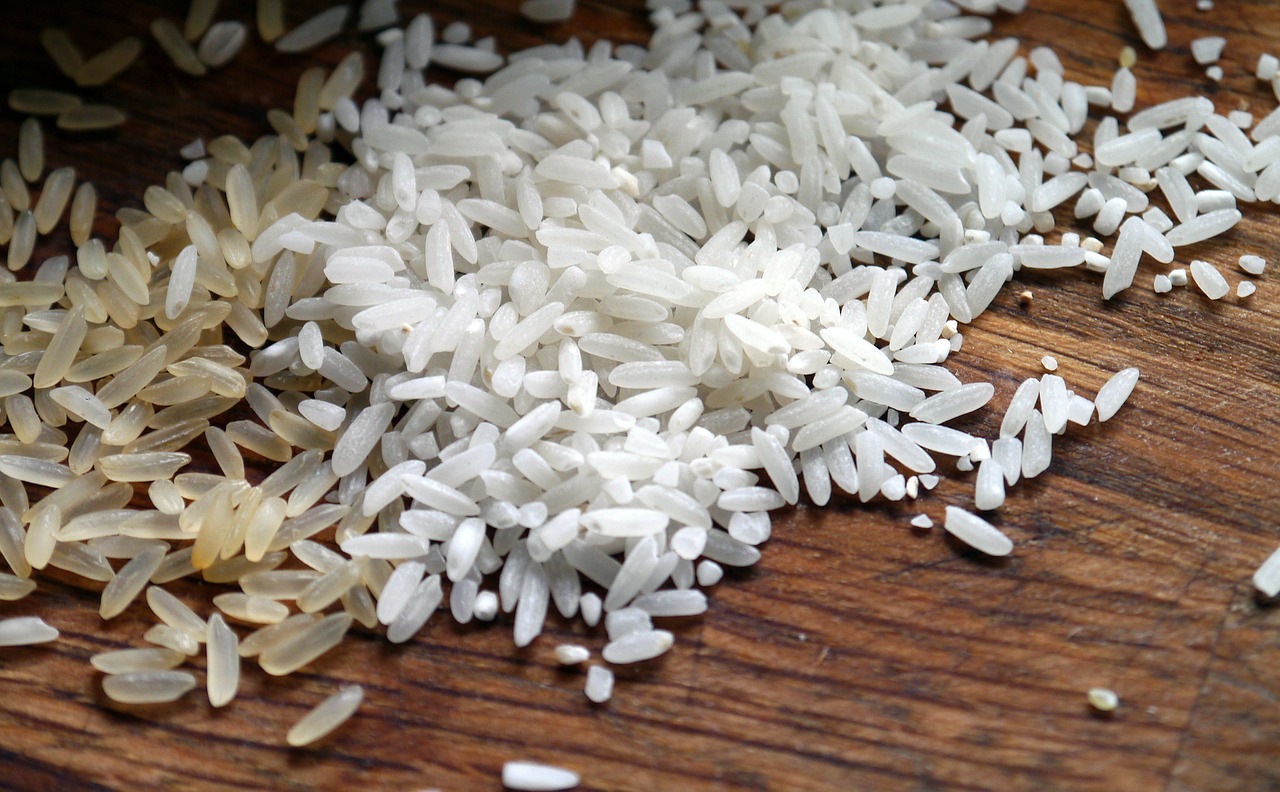
As much raw, unprocessed food as possible. All foods should be consumed in moderation. Potatoes, corn, rice, fresh vegetables (except legumes, tomato paste, eggplant), fresh fruits (except citrus fruits), fresh poultry (without skin or offal), spelt flour, corn-based products, fresh pork, small amounts of fish, and rapeseed oil.
Prepared meals should be stored freshly refrigerated or frozen.
If you only become symptom-free on a very strict diet (in extreme cases), a full lifestyle change is needed, including home cooking and baking.
The diet must be tailored to individual sensitivity and should include as many varied ingredients as possible. Some people only need to avoid coffee, chocolate, pickles, aged cheese, wine, and cured meats; others only achieve symptom relief with a strict diet.
When starting the strictest phase of the diet, it's best to eat only basic foods like potatoes, rice, fresh vegetables and fruits, and fresh poultry. New foods should be introduced one by one afterward.
Be cautious with preservatives and additives—they may block DAO!
Prepared foods should not be stored for more than a few days.
Keeping a food–symptom diary is essential! Problematic foods should be reintroduced to determine the maximum tolerable amount.
Histamine intolerance is a quantitative intolerance: everything may be tolerated in the right amount—it's about determining your own threshold.
How does histamine get into food?
In simple terms:
Histamine is produced by bacteria from the amino acid histidine (a component of proteins) with the help of the enzyme histidine decarboxylase.
In more detail:
If something contains protein (and therefore amino acids), bacteria or fungi can break it down—through fermentation, aging, souring, yeast activity, or other processes—and produce histamine.
Histamine forms especially in aged or matured foods (e.g. smoked products).
In addition, certain bacteria (mainly found in dairy products, such as Lactobacillus species) can also produce histamine.
Furthermore, some foods release histamine from the body’s own mast cells, and others inhibit the enzymes that break down histamine (DAO, HNMT). This includes certain foods, drinks, medications, and additives. The body’s internal histamine stores also play an important role.
The EU regulates histamine levels in fish: they must not contain more than 200 mg/kg.
High histamine levels in stale or improperly refrigerated fish can cause symptoms similar to food poisoning, and may even be life-threatening.
Can histamine be cooked out of food?
No!
Histamine is heat-stable (freezing and boiling do not alter it), colorless, and odorless. It does not change the texture of food.
During cooking, for example, the histamine present in meat is released into the broth, thereby becoming diluted: the same amount of histamine is distributed in a larger volume.
Deep freezing
Deep freezing causes bacteria and fungi to become inactive, die, or enter a hibernation-like state, which stops histamine formation.
Is there any alternative to the diet?
Unfortunately, there is none. This is a genetic condition that is currently not curable. However, complete symptom relief can be achieved with a low-histamine diet.
The condition cannot be corrected by any other method, naturopathic remedy, lifestyle advice, dietary supplement, gut flora restoration, or vitamin. It is an incurable deficiency disease.
Unfortunately, DAO enzyme supplements are also not a substitute for a low-histamine diet.
Do I have to become completely symptom-free on the diet? If this is your only condition, then yes!
Can the diet be stopped?
Those who truly have an enzyme deficiency cannot "cure" it with a temporary diet. In the absence of effective medication, the diet must currently be followed for life.
However, symptoms may spontaneously improve with age, in which case the diet may also become more permissive.
Diet structure
I recommend reviewing the nutrient tables available on the website.
The diet must be adjusted according to individual sensitivity, using as wide and varied a range of ingredients as possible.
The most basic method is to experiment with only 1–2 new foods per meal.
If something causes symptoms, consume it again later to confirm whether it truly triggers the reaction.
At the beginning of the diet, it's best to stick to basic ingredients.
Store-bought ready meals may contain preservatives, colorants, spices, etc., making it impossible to identify the cause of symptoms.
Fresh, seasonal ingredients are generally better tolerated (especially sour cherries, pumpkin, zucchini, etc.).
After cooking, food should be cooled while still lukewarm and stored for no longer than a few days—or frozen.
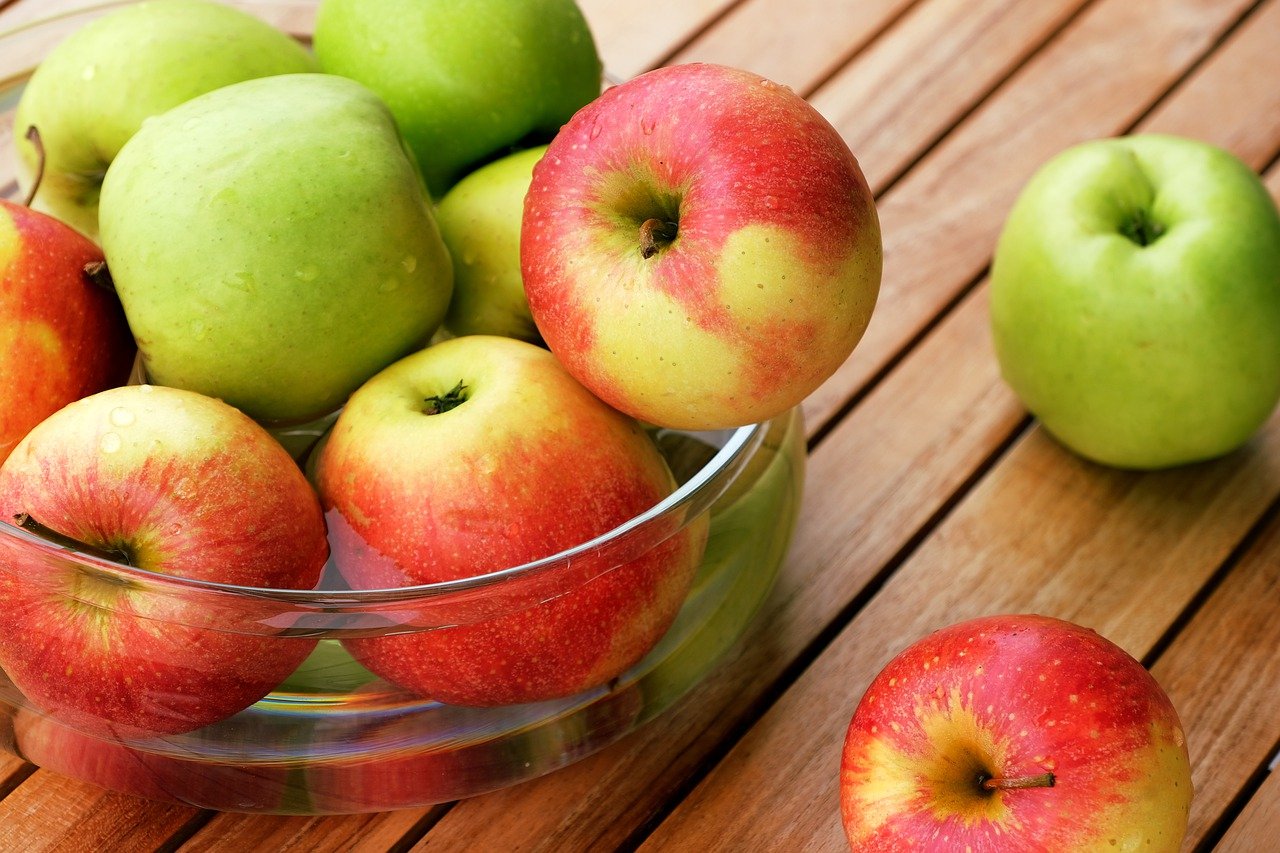
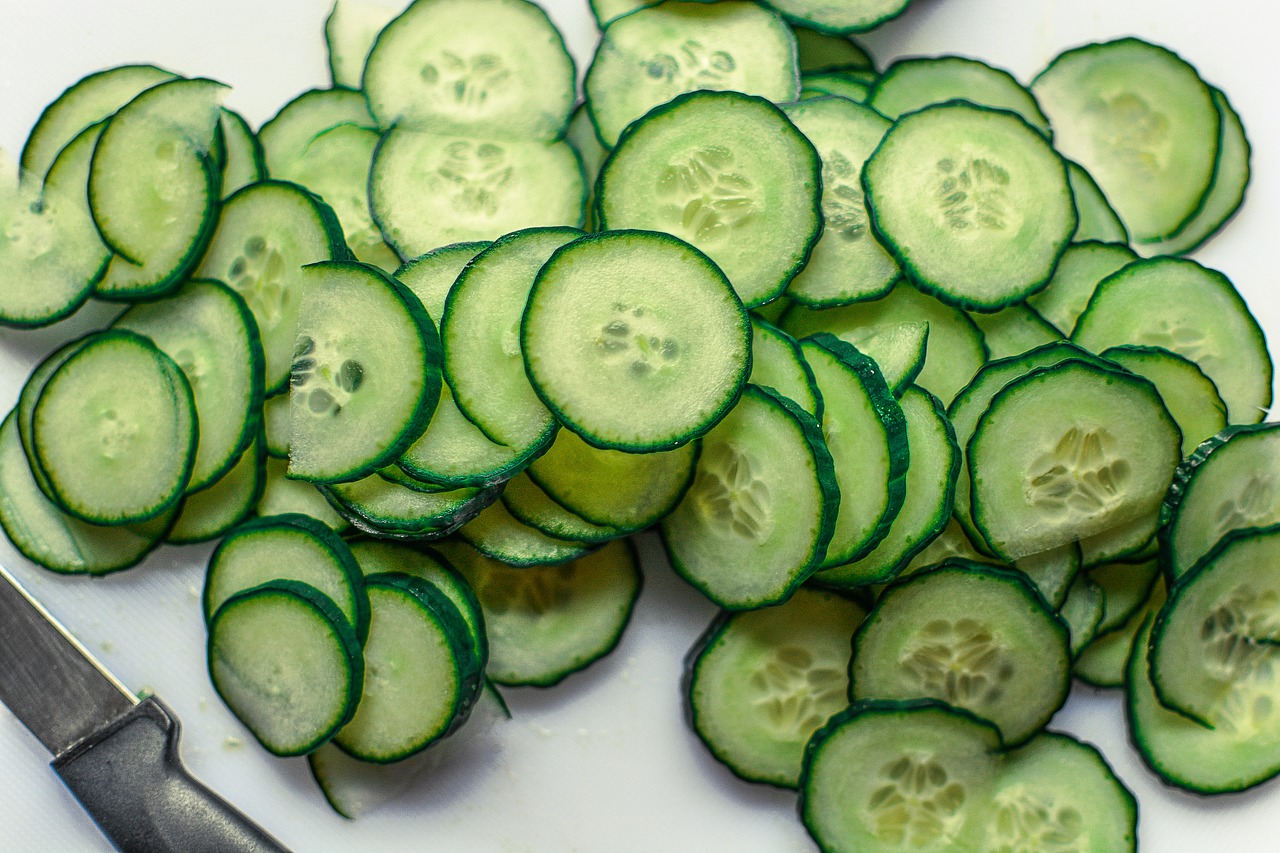
The following may be consumed in moderation: fresh apples, cucumbers, radishes, carrots, peppers, potatoes (or their flour), rice (or rice flour), fresh chicken, frozen corn (or corn-based flour and pasta), spelt, canola oil, honey, sugars.
You do not need to eat gluten-free or meat-free.
If your current diet is working and you're symptom-free, you can start trying new foods, such as UHT milk or egg yolk.
There's no need to prefer organic or “free-from” products—they may contain exotic ingredients that could trigger symptoms (e.g., coconut in larger amounts).
At the beginning of the diet, to reach complete symptom relief, it is best to avoid supplements, store-bought fruit juices, vitamins, herbal products, teas, coffee, spices, and onions.
Once symptom-free, you can gradually reintroduce more and more foods.
For fluids, water or freshly pressed juice (or homemade juice, rice milk) is preferable.
For seasoning during the initial diet phase: salt only.
Why is it better to avoid supplements, vitamins, and herbs at the very beginning of the diet?
Because they may block DAO and HNMT (as shown in studies): they inhibit histamine breakdown.
Examples: large amounts of vitamin C or folic acid can have such effects.
Why didn’t I recover on a low-histamine diet?
Learning the diet takes time — it can take months.
If you’ve only experienced slight improvement or none at all after several weeks, then you likely do not have histamine intolerance.
A low-histamine diet may also help with other conditions (e.g. asthma, urticaria).
It’s possible that another condition coexists with histamine intolerance, such as sorbitol, fructose, or lactose intolerance.In such cases, the diet may not lead to complete symptom relief, but it can result in a very significant improvement.
If you only have histamine intolerance and no other condition, a proper diet can lead to complete symptom relief! Don’t torture yourself with unnecessary dietary restrictions!
Is it possible that I am intolerant to gluten, milk protein, and histamine?
Someone who is "sensitive to everything" (milk, gluten, meat, etc.) and follows a diet accordingly has unfortunately likely not identified the real problem. This is even more true if they are not completely symptom-free despite the diet. It’s very likely that the illness or intolerance they suspect is not actually the one they have.
If the true cause of the intolerance is found and the diet is followed correctly, complete symptom relief should occur.
What could be the reason behind being sensitive to so many things?
Unfortunately, an underlying inflammatory or neoplastic bowel disease may be present. In such cases, medical evaluation by an allergist or gastroenterologist is necessary.
In what other conditions can a low-histamine diet help?
Since histamine is one of the key signaling molecules in inflammation and allergic responses in the human body, a low-histamine diet may provide relief in certain conditions:
Migraine and headaches
Allergic asthma
Inflammatory and allergic skin diseases
Certain inflammatory bowel diseases
IBS (irritable bowel syndrome)
Acid-related digestive complaints
Psychological symptoms
No diet can replace effective medical treatment!
A low-histamine diet provides complete symptom relief only in the case of histamine intolerance. For all other conditions, medical instructions must be followed.
What kind of trial diet do I recommend?
Mild histamine sensitivity may exist. In such cases, eliminating or significantly reducing just a few foods (such as alcohol, chocolate, tomato juice, etc.) may be sufficient.
If this elimination/reduction diet does not lead to being symptom-free, I recommend trying a low-histamine trial diet, where the following foods can be consumed in moderation and with variety:
potatoes, sweet potatoes, fresh vegetables, fresh fruits (except citrus), fresh poultry, corn, rapeseed oil, small amounts of fish, flour (in moderation).
In the beginning, all other foods should be avoided, including drinks, coffee, baked goods, vitamins, supplements, preservatives, and additives.
Once you are symptom-free, you can begin experimenting with as many new foods as possible! The goal is to be able to eat as wide a variety of foods as possible.
If a food causes symptoms, try it multiple times to confirm before excluding it. This helps avoid unnecessarily cutting out certain foods.
Determine your tolerated amount, and avoid completely eliminating any food.
Diet mistakes
I would like to illustrate with examples how mistakes in the diet can lead to symptoms such as headaches or diarrhea. The amount consumed matters! The presence of other biogenic amines can also play a role.
Symptoms may be triggered by:
Organ meats: liver, blood sausage, smoked sausage
Drinking coffee or alcohol (e.g. wine) after a meal
Use of certain medications, e.g. ACC, Coldrex (may cause cough or headache)
A large amount (varies individually) of sushi or soy sauce
Onion (tolerance varies between individuals)
Large amounts of lemon juice, orange
Chocolate (tolerance varies)
Hamburger (tolerance varies)
Pizza (tolerance varies)
A large amount (varies individually) of coconut milk
A large amount (varies individually) of sulfur-preserved raisins
Freshly caught fish that was not refrigerated for hours
Leaving store-bought fresh meat on the kitchen counter instead of refrigerating it
Buying meat from the deli counter that is no longer fresh
The most important advice for starting the diet:
TEST CLEAN, SIMPLE INGREDIENTS in larger amounts when symptom-free, without additives, and REINTRODUCE THEM on a separate occasion if they previously caused symptoms! A reaction is expected within 4 hours.
Examples of how to experiment with new foods:
Example 1: Eat fried egg yolk with salt on an empty stomach in the morning.
Example 2: Eat store-bought corn puffs on an empty stomach.
In this case, you must consider the full ingredient list. The issue might be the sunflower oil, additives, preservatives, or the corn itself.
Example 3: Eat a potato scone (oil + salt + potato + flour).
In this case, you can experiment with different types of flour (if you've already tested rapeseed oil and potatoes without issues). The method of preparation matters! Leavening and yeast may cause problems in some cases, while baking powder is usually better tolerated.
Example 4: Eating a 3-course lunch at a cafeteria or a “free-from” dessert from a pastry shop.
Not recommended at the beginning of the diet! You won’t know which brand of rice milk was used, how fresh the ingredients were, or what spices they added. Even “free-from” foods can cause symptoms.
Note: Do not try several new foods at once. It’s best to avoid spices at the beginning of the diet.
How can one "cheat" or deviate from the diet?
How is this diet different from milk or gluten intolerance diets? People with milk protein allergy or gluten sensitivity must completely avoid the offending foods, as even a tiny amount can cause severe and immediate symptoms. This is not necessarily true for people with histamine intolerance!
1. Everyone with histamine sensitivity has an individual threshold — below that, even “problematic” foods may be tolerated in small amounts. Sensitivity levels vary greatly between individuals. Example: Peas – a bowl of pea soup may not cause any symptoms. But if sausage is eaten with it or stock cubes are added, symptoms may appear.
It's important to watch for subtle signs: throat irritation during the meal, sneezing, itchy palate, runny or stuffy nose, mild headache, loose stool, bloating, drowsiness.
2. DAO enzyme-inhibiting foods (e.g. alcohol, coffee, tea) are better tolerated on an empty stomach in small amounts, because their inhibiting effect doesn’t matter when there’s no histamine to break down.
This is why alcohol (in moderation) should be consumed on an empty stomach in the evening.
3. Between meals, on an empty stomach, small diet violations are more likely to go unpunished – for example, a small piece of chocolate may be tolerated.
What would trigger symptoms during a big meal may be tolerated alone. So if you crave something from your “old favorites,” eat it on an empty stomach in a small amount!
4. Some people tolerate certain foods only in tiny amounts. Unfortunately, festive meals (Christmas, weddings, holidays) are difficult because the diet is usually broken in multiple ways — and alcohol may also be consumed, which further inhibits the already limited histamine breakdown. Still, symptoms may be reduced by taking DAO enzyme + antihistamine (e.g. cetirizine) + an H2-blocker acid reducer (e.g. famotidine/Quamatel) during the meal. This does not replace the proper diet, it only mildly reduces the symptoms.
5. Small, frequent meals are less likely to overwhelm the histamine degradation system.
Large meals often lead to symptoms if the diet isn’t followed.
6. If you have a “safe” diet that consistently causes no symptoms, you can always return to it. Similarly, fasting may also lead to symptom relief.
7. Fasting results in complete symptom relief.